what is it like to live in hamilton, montana
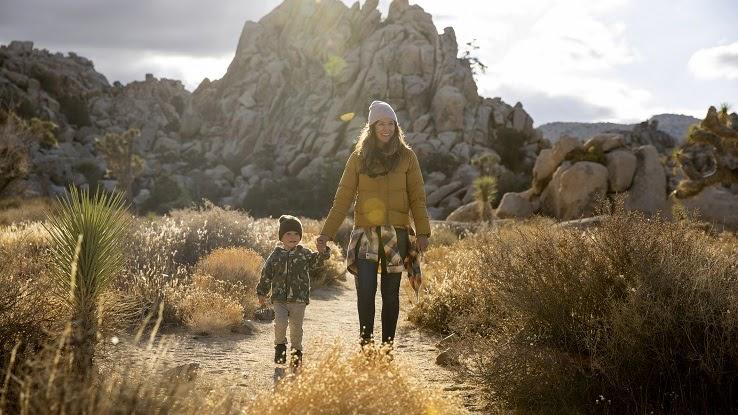
The desert is an ecosystem that's far more diverse than virtually people realize. Although cartoons make people retrieve of tumbleweeds, cacti and roadrunners, deserts are full of plenty of living and non-living things that brand this biome beautiful.
The way that many plants and animals survive in the harsh elements of a desert is nil short of amazing. Still, at that place is a long list of not-living things in the desert that brand this ecosystem unique and absolutely breathtaking.
Not-Living Factors: Facts Near Abiotic Factors
Things that are not-living are abiotic, pregnant they exist physically but aren't biologically living. Things that are living are biotic. Abiotic factors in any ecosystem play a vital part in how the entire ecosystem functions. Is wind a living affair? Is sand a living affair? The respond to both questions is "no," but these non-living things in the desert have a huge affect on the style living things abound and thrive in this particular environment.
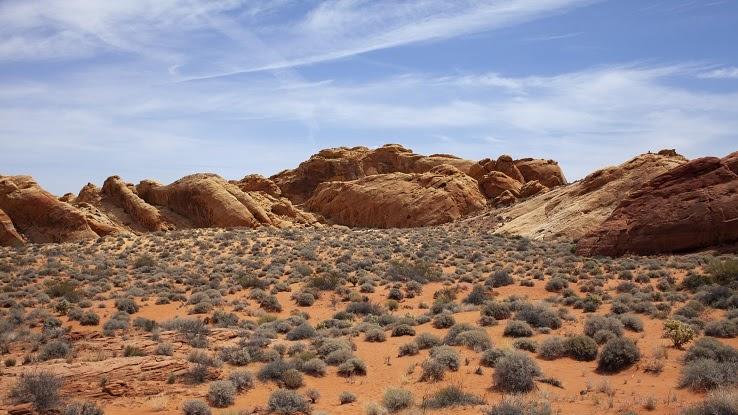
Abiotic factors encompass much of what makes each ecosystem unique. The sand that gives the desert a singled-out look is an abiotic cistron. The extreme rut that makes the desert perfect for cold-blooded animals like rattlesnakes is also a non-living matter.
One abiotic factor that separates the desert from almost other ecosystems is its relative lack of rainfall. Many of the animals in the desert have evolved bodily functions that assist them brand the best out of a small amount of h2o. If those same biotic factors were nowadays in a wetter ecosystem, such every bit a rainforest, those living things that have adapted to the desert might non be able to handle the amount of water.
For instance, chinchillas, which are native to a region close to the Atacama desert, evolved thick coats of fur that they keep clean using dust from the dry environs. Their coats are so thick that, if the animals become wet, the dense fur absorbs h2o and can cause fungal infections.
What Is a Desert Ecosystem?
A desert ecosystem consists of biotic (living) and abiotic (non-living) factors that back up each other. Deserts are some of the driest climates on Earth. In improver to the arid deserts that most people are used to, there are also cold, coastal and semi-arid deserts.
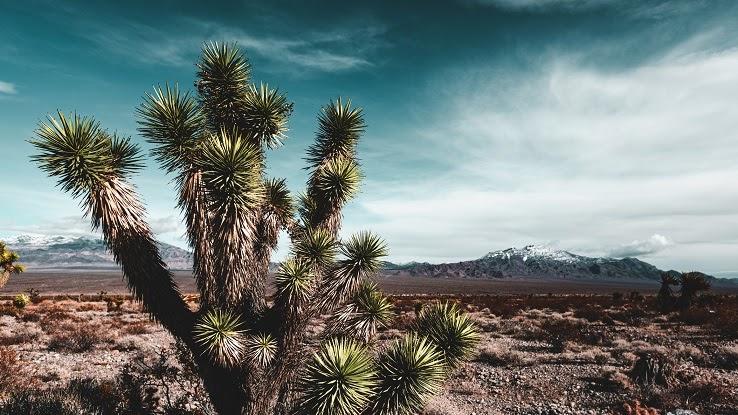
Most deserts go fewer than two feet of rainfall in an unabridged year. The driest deserts but accept about 10 inches of annual rainfall. That'southward nearly a pes less than the average almanac rainfall in most of the United States. In coastal deserts, more moisture comes from fog than rain.
Listing of Not-Living Things in the Desert
Sand is the most common abiotic factor in a desert. Deserts can have every bit much sand as oceans have water. Although this unique blazon of soil doesn't provide the best habitation for most plants, information technology has a huge impact on the fashion animals in the desert live. The sand bears the extreme temperatures of the desert. And then, many walking animals in deserts have thick skin on the bottoms of their feet so they don't become burned traversing the hot sand. The rock hyrax is one example of a desert fauna with thick paws.
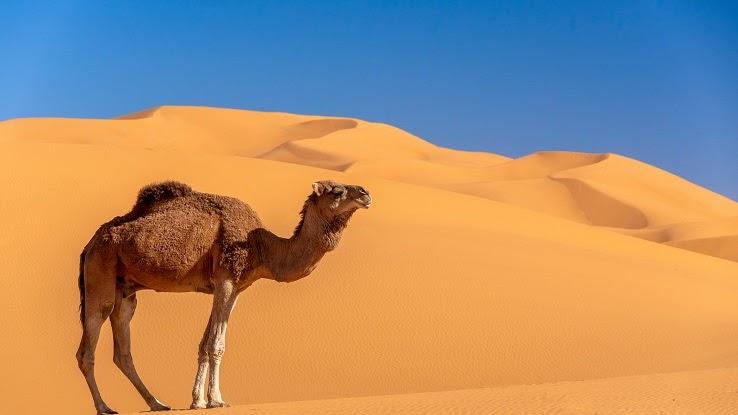
When the wind whips through the desert, sand tin can damage an animal's eyes. For protection against this, many desert animals, such as camels, evolved to have unusually long eyelashes. Sand also provides the perfect surface for some desert animals to motion around on. Various snakes are able to slither easily through the loose sediment. Lizards, roadrunners and jackrabbits are also able to motion apace through the sand.
Sunlight is non a living thing, but it also has a very large bear upon on the way plants and animals in the desert alive. In most other ecosystems, sunlight produces heat during the 24-hour interval. Vegetation, humidity and other abiotic factors help to continue some of that heat in the temper when the sun doesn't shine at night. Considering in that location's little vegetation and fifty-fifty less water in the desert, this type of biome becomes very cold when the sunday goes down at night. To survive in the desert, living things accept to exist equipped to handle both the heat of the solar day and the chilly temperatures at night. Many animals in the desert survive the heat because they're fossorial, pregnant they burrow into the footing. When information technology gets too hot, they dig holes to find comfort in the libation temperatures hugger-mugger.
The wind is a common abiotic cistron in near types of deserts. The climate is too hot and dry out to support a large amount of vegetation like other ecosystems can. The piffling vegetation found in the desert is ordinarily very short with roots close to the ground to soak up every bit much groundwater every bit possible. Thus, whenever the air current blows through the desert, at that place are very few natural elements to slow the speed of the wind. Wind at high speeds creates the ferocious dust storms deserts are known for.
Rocks in the desert are direct impacted by two other abiotic factors: wind and sand. The current of air sweeps the sand across rocks at high speeds, causing erosion. Well-nigh of the rocks in the desert are either very shine or contain sharp crags created by wind erosion. These unique types of rocks form homes for many desert animals, such as the rock hyrax, which hides from the elements in the shady nooks and crannies of desert rocks.
For animals and plants, water is maybe the most important non-living thing in the desert. Although deserts don't get much h2o from rain, there are underground reserves of water in most deserts, and some plants accept specialized roots to exist able to access that water. Much of the h2o in deserts likewise arrives in the form of dew and fog. The animals and plants that live in deserts have specialized bodies that allow them to live with less water. For example, camels take humps that store fat and water, allowing the mammals to go for long stretches of time without having a potable.
These are just a few of the most important abiotic factors in a desert, and at that place'due south a long list of abiotic factors that shape the beautiful desert ecosystem. These non-living things accept a large influence on the adaptations the plants and animals in the ecosystem take developed in social club to survive.
Source: https://www.reference.com/science/non-living-things-found-desert-34f7553be5ad3147?utm_content=params%3Ao%3D740005%26ad%3DdirN%26qo%3DserpIndex

Enregistrer un commentaire for "what is it like to live in hamilton, montana"